Reward-Based Learning: How to Motivate Kids Without It Feeling Like Bribery
Reward-based learning is not bribery when it is planned in advance, tied to genuine effort, and connected back to the activity itself. Bribery happens reactively to stop a behavior. Structured educational rewards for kids reinforce effort and build the habit of following through.
Every parent who has offered a child a treat for finishing homework has probably wondered, at least briefly, whether they are teaching their kid to love learning or teaching them to expect a payoff for every effort. Fair question. The research on reward-based learning is more nuanced than a simple yes or no.
The short version: rewards and genuine motivation are not automatically at odds. How the reward is structured makes all the difference.

The Real Research on Rewards and Motivation
Psychologists distinguish between intrinsic motivation (genuine interest or enjoyment) and extrinsic motivation (an external reward). Research has shown that poorly designed extrinsic rewards can sometimes undermine intrinsic motivation, a phenomenon called the overjustification effect, where a reward causes a child to reframe an activity they once enjoyed as something they now only do for the payoff.
This effect is not universal, though. Rewards tend to undermine motivation when given for something a child already loves, tied purely to completion, or framed as controlling. Rewards tend to support motivation when they target activities a child would not otherwise choose, acknowledge genuine effort, and feel like recognition rather than manipulation. That distinction is the whole game.
The Difference Between Bribery and Reward-Based Learning
Bribery typically happens in the moment, reactively, to stop unwanted behavior. A parent offering a cookie mid-tantrum to get a child to stop crying is a bribe, because it rewards whatever is happening right now, not effort or learning.
Reward-based learning looks completely different. It is planned in advance, tied to genuine engagement, and communicated clearly before the activity begins, so the child understands the connection between effort and outcome.

A child who knows completing a science module earns progress toward a real reward is learning that consistent effort leads to outcomes, a very different lesson than "acting out gets me what I want."
Building Educational Rewards for Kids That Actually Reinforce Learning
The most effective educational rewards for kids share a few features. They are tied to genuine engagement, not just time spent, so a child earns recognition for actually completing a challenge, not just having an app open.
They build toward something meaningful over time rather than instant gratification for every small action, teaching patience alongside effort.
They also connect the reward back to the activity in a way that feels natural. A child earning points toward a science kit by completing science modules experiences a reward that reinforces the value of the learning itself.

Gamified Education: Why It Works
Gamified education, using points, levels, and rewards to structure learning, taps into the same psychology that makes games so engaging: clear goals, visible progress, and a sense of accomplishment. Done well, gamified education does not distract from learning; it scaffolds it, giving kids a reason to push through the initial friction of a new or challenging topic.
Praise Matters as Much as Prizes
Alongside any reward system, language matters. Praising effort and strategy, noting that a child worked hard to figure out a tricky problem, builds resilience and a growth mindset.
Praising only outcomes or innate ability can make kids more risk-averse over time, since they become more concerned with protecting an image of being "smart" than genuinely challenging themselves. Combine specific, effort-focused praise with a well-structured reward system for the best of both.
When Rewards Become the Bridge, Not the Point
Think of rewards as a bridge, not a destination. Early on, especially with activities a child would not naturally choose, a reward helps get them in the door. Over time, as competence builds, the external reward often becomes less necessary because the intrinsic satisfaction of understanding something new takes over.
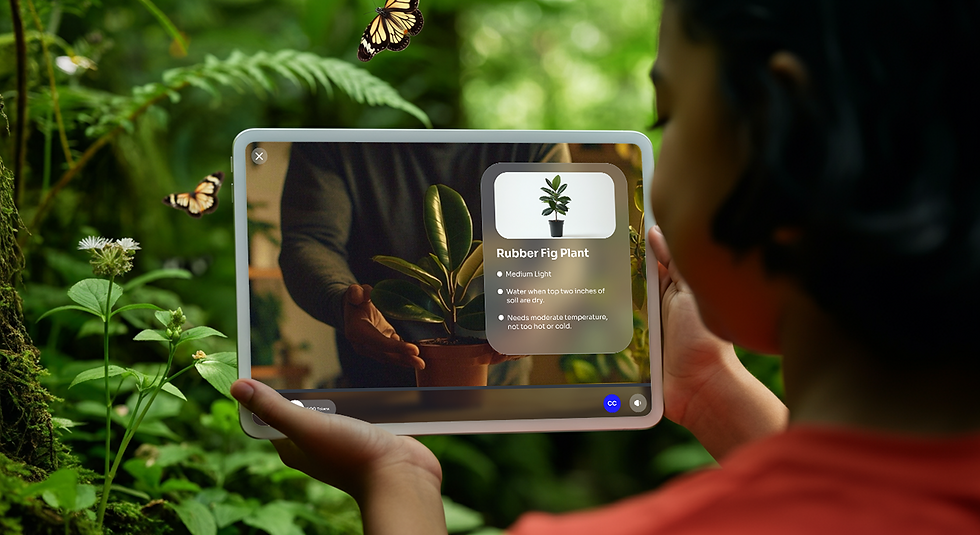
This is the model GlobeKin is built around. Kids earn tokens for completing genuine, interactive learning modules across science, nature, and engineering, and those tokens unlock real rewards like STEAM kits and museum passes. The reward always follows real engagement, never random behavior, and every reward connects directly back to further real-world learning.
FAQ: Reward-Based Learning
Is reward-based learning the same as bribery? No. Bribery is reactive and tied to stopping a behavior in the moment. Reward-based learning is planned in advance and tied to genuine effort or engagement.
Do educational rewards for kids reduce intrinsic motivation? Only when poorly designed, for example, rewarding an activity a child already loves or tying rewards purely to completion rather than effort. Thoughtfully structured rewards tend to support motivation instead.
Is gamified education effective for learning? Yes, when it is built around genuine engagement rather than empty repetition. Clear goals and visible progress can meaningfully boost a child's willingness to tackle challenging material.
Used thoughtfully, rewards are not the opposite of genuine motivation. They are often the on-ramp to it.



Comments